ARPRO Rolls Out GPS Monitoring System Across Rugby Clubs in Argentina’s Northwest (NOA)
The organization is rolling out external load-monitoring technology across three clubs in the region, giving coaching staffs the ability to make decisions based on real training and match data.
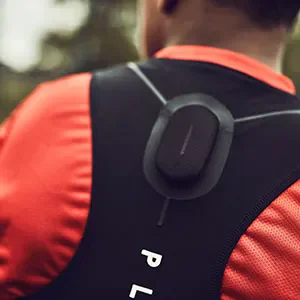
GPS monitoring system in action during a training session. Credit: ARPRO Global.
As part of its High Performance program applied to rugby in Argentina’s Northwest (NOA), ARPRO Global rolled out a GPS monitoring system during the first quarter of 2026 to track external load in athletes across three clubs in the region. The initiative marks a qualitative leap in how coaching staffs plan and adjust training.
The technology, already standard among elite UAR teams and international squads, captures real-time variables such as distance covered, accelerations, decelerations, impacts, and speed zones. With that data, coaching staff can make informed decisions about weekly training load and help prevent overtraining injuries.
How does the system work?
Each player wears a small GPS device housed in a pocket on the back of the training jersey. The device captures movement data at a 10 Hz sampling rate and automatically syncs it with the analytics platform at the end of each session.
The coaching staff accesses a dashboard with visualizations of the most relevant metrics: acute/chronic load, ACWR ratio, high-intensity distance, and session-to-session comparisons — all within 15 minutes of the training session ending.
Access to real data completely changes the paradigm. We no longer make decisions based on gut feeling but on evidence. That’s what sets high-performance sport apart. — ARPRO Technical Coordinator, 2026 season
Early results
After 12 weeks of implementation, early results show very positive trends in load management and injury prevention:
- A 30% reduction in reported muscle injuries compared to the same period the previous year.
- Identification of athletes with an elevated ACWR ratio before clinical symptoms appear.
- Greater player engagement with the training process through direct access to their own data.
- More efficient time on the pitch through shorter, higher-quality sessions.
Implementation methodology
ARPRO trained each club’s strength and conditioning coaches on the platform over three in-person sessions. Weekly remote support is also provided for data interpretation and for adjusting individual load models.
The system is set to expand to five more NOA clubs during the second half of 2026, as part of the ARPRO High Performance Club Development program.
Next steps
The next phase of the project will integrate subjective wellness data (RPE, sleep quality, perceived fatigue) with objective GPS data to build a comprehensive load model. ARPRO also plans to develop a GPS analysis module within its LearnWorlds educational platform, available to all students in the Coaching Career program.